

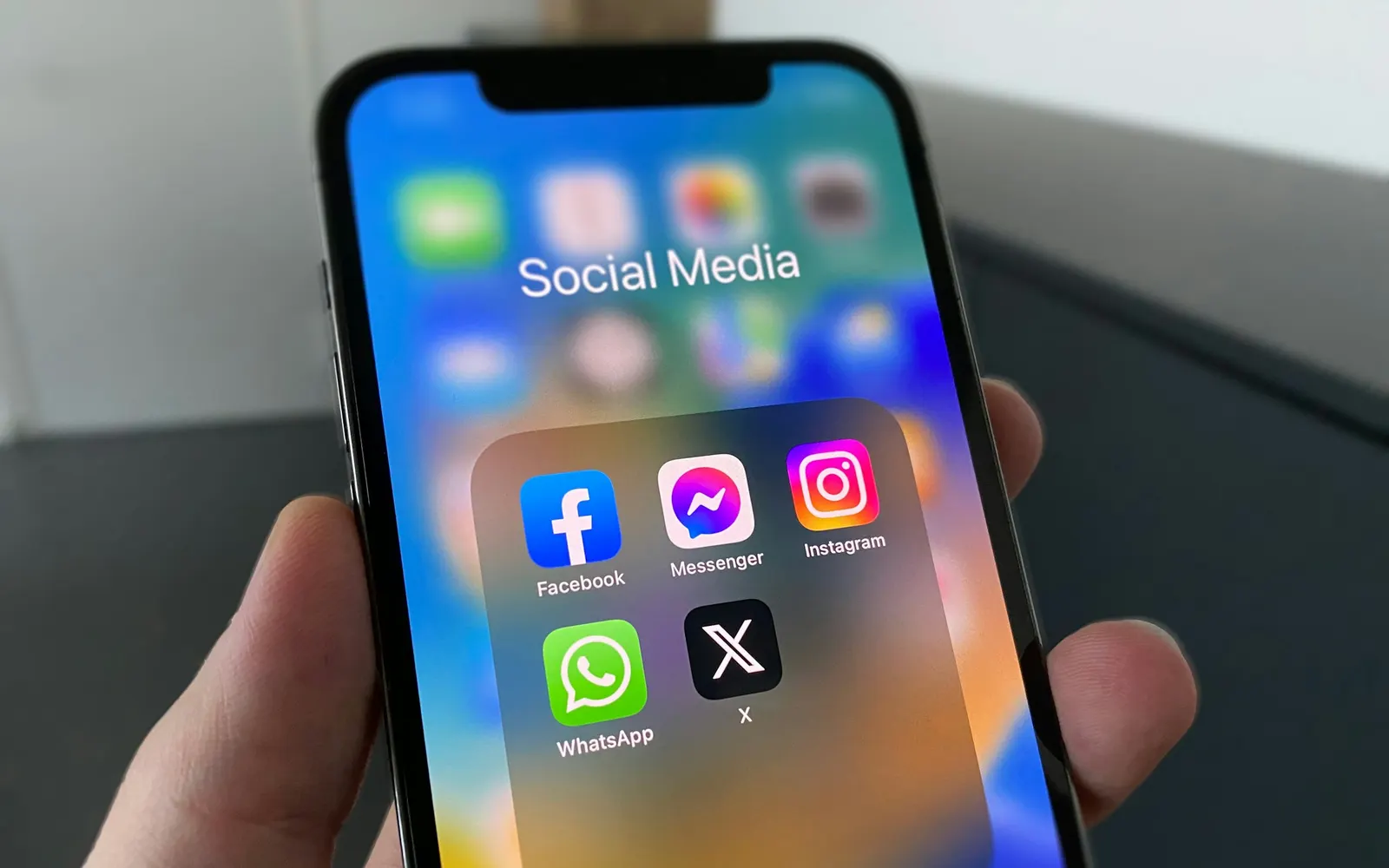
Facebook and Instagram ads run on the same system, Meta Ads Manager, and are paid from the same card. There is no price list: the price comes from an auction, and in Greece a thousand impressions cost on average around 5 dollars, one of the lowest prices in Europe. For a small business, a budget of €300 to €500 a month is a sensible start. Below you will see where these numbers come from, how VAT works on Meta invoices, and why October is the best month to start if the holidays matter to you.
How Meta charges
In most campaigns you pay for impressions, that is every time your ad appears on a screen. The price is measured as CPM, the cost per thousand impressions. For some objectives, such as website visits, you can choose to pay only when someone clicks. Whichever charging method you pick, the algorithm shows the ad to the people most likely to do what you asked for: send a message, visit the site or buy.
The price of each impression changes constantly, because every ad slot is contested by everyone who wants the same audience at the same moment. That is why the same ad costs differently in Athens and in Larissa, in March and in December.
Is there a minimum amount?
You will often read that the minimum is 1 dollar a day for impressions and 5 for clicks. Meta no longer publishes such a table. Its page on minimum budgets says the minimum depends on country, objective, charging method and currency, and that Ads Manager warns you when your amount is too low. It also gives a useful rule: if you set a cost per result goal, your daily budget should be at least five times that goal. If you want each message to cost no more than €5, you need at least €25 a day.
In practice a campaign can start with a few euros a day. The real question is not how little the system accepts, but how much it needs in order to learn.
What impressions cost in Greece
In public benchmarks for e-shops, the average CPM in Greece in 2026 is around 4.9 dollars. The Greek market ranks among the cheap ones, far from Germany or the United States. In more tangible terms, with €10 a day your ad is shown roughly 2,000 times.
The average hides big differences. Tourism businesses get more expensive in summer, industries with many advertisers such as fashion and cosmetics cost more, and a narrow audience, for example women aged 30 to 45 in one neighbourhood, costs more per impression than a broad one. You learn your own real CPM within the first week.
From impressions to cost per customer
Impressions are the means, not the goal. What counts is the cost of each result. An example with round numbers: a physiotherapy clinic runs a messages campaign at €10 a day, or €300 a month. If each Messenger or WhatsApp message costs around €6, the month brings about 50 conversations. If 10 of them book an appointment, each new patient cost €30 in advertising. From there the question is simple: is a new patient worth more than €30?
The numbers in the example are not a promise. They do show how a campaign is judged, and why likes and impressions say little on their own.

How much budget a small business needs
Meta needs data to find the right people. Every new ad set goes through the learning phase, which according to Meta ends once about 50 results are collected within a week. With a very small budget the campaign never gets there and stays in a state where cost moves up and down for no clear reason.
As a rule of thumb, €300 to €500 a month in ad spend is a sensible start for a local business. An e-shop that wants sales, not just visits, usually needs €500 to €1,500. Below €150 a month you can run an awareness campaign or boost an event, but you will hardly draw conclusions about sales.
Boost or Ads Manager
The “Boost” button under a post is the quick route. You choose an amount, the days and a simple audience, and the post reaches more people. It is enough when you want people to see a specific announcement, a new product or an event.
Ads Manager is the full tool. There you set a sales or messages objective, measure purchases on your site with the Meta Pixel, test variations of the same ad, and reach again the people who visited your site without buying, with the technique we explain in our remarketing guide. If the ad has to bring customers and not just visibility, the work happens in Ads Manager.
Invoices and VAT
Meta invoices Greek advertisers from Ireland, through Meta Platforms Ireland Limited. If you enter a VAT number with the EL prefix in the account’s billing details, and your business is registered in the EU VAT Information Exchange System (VIES), the invoice is issued without VAT and you account for the tax yourself under the reverse charge. If you do not enter a VAT number or are not in VIES, Meta adds 24% VAT to every amount.
We often see accounts that have paid VAT to Meta for years, simply because nobody filled in the VAT number in the billing details. You will find the invoices in Ads Manager under “Billing and payments” and pass them to your accountant. For the accounting treatment in your own case, ask your accountant.
Payment is usually by card. Meta charges when spending reaches a billing threshold or at the end of the month, whichever comes first. The money goes directly to Meta, from your own card.
Why it gets expensive from Black Friday to Christmas
The price comes from an auction, so when advertisers multiply, it rises. From mid November the big e-shops pile in for Black Friday, which this year falls on 27 November, and then the whole market for Christmas gifts. Black Friday week is usually the most expensive of the year, and prices drop again shortly before New Year.
That does not mean you should stay out. In November and December people buy more, so the more expensive click often brings more sales too. It does mean the order matters:
- October: start with a low budget while prices are still low. The campaign gets through the learning phase and builds an audience for remarketing.
- November: raise the budget gradually, not abruptly, because every big change sends the ad set back into the learning phase.
- Black Friday and December: put the weight on people who already know you, meaning site visitors, followers and past customers, because that is where the expensive click pays off most.
If you run an e-shop, preparation is not only about ads. The rest, from the checkout page to hosting, is in our separate guide on getting your e-shop ready for Black Friday.
What management costs
The ad budget is one amount. The second is the fee of whoever sets up and monitors the campaigns. Much of the market charges a percentage of spend, so the manager earns more the more you spend, regardless of results. We charge a fixed monthly fee from €100 for one platform, and the budget is paid from your own card directly to Meta. If search on Google interests you too, first see where your budget should go depending on what you sell, and what Google Ads costs for comparison.
The packages, what each includes and a cost calculator are on our page about managing Facebook, Instagram and Google ads. If you want an estimate for your business before the holidays, send us a few words about what you sell and where.